
Posterior Tibialis Tendon Dysfunction (PTTD)

A Common but Overlooked Cause of Adult Flatfoot & Inner Ankle Pain

If you’re experiencing pain and swelling on the inside of your ankle, especially when walking or standing, and you’ve noticed your foot arch starting to collapse — you might be dealing with Posterior Tibialis Tendon Dysfunction (PTTD).

Also known as Adult Acquired Flatfoot, this condition can worsen over time if left untreated. The good news is: with early diagnosis and podiatry-led treatment, we can help you reduce pain, prevent progression, and restore function.

What is Posterior Tibialis Tendon Dysfunction?

The posterior tibialis tendon runs along the inside of your ankle and helps support your foot’s arch. It plays a critical role in stabilising the foot and allowing you to walk efficiently.

PTTD occurs when this tendon becomes inflamed, overstretched or torn, leading to a gradual flattening of the arch and rolling in of the ankle (overpronation). It’s most common in adults over 40, especially women and those with an active or weight-bearing lifestyle.


Common Causes of PTTD

  • Overuse and repetitive strain
  • Flat feet or poor foot posture
  • Obesity or recent weight gain
  • Tight calf muscles or Achilles tendon
  • Sports involving running, jumping, or sudden direction changes
  • Previous foot or ankle injury
  • Inflammatory conditions (e.g. rheumatoid arthritis)

Symptoms of Posterior Tibial Tendon Dysfunction

PTTD symptoms often start mild and worsen gradually. Look out for:

  • Pain and swelling along the inside of the ankle and foot
  • A noticeable flattening or collapse of the arch
  • Difficulty standing on your toes or walking up stairs
  • Rolling in of the ankle (overpronation)
  • Fatigue in the foot and leg, especially with prolonged activity
  • Pain that worsens with exercise or long periods of standing
  • Pain that shifts to the outside of the ankle as the condition progresses

Stages of PTTD

PTTD is a progressive condition, typically classified into four stages:

1.Stage 1 – Pain and swelling, tendon still functional

2.Stage 2 – Arch begins to collapse, tendon weakens, foot becomes more flexible

3.Stage 3 – Foot becomes rigid and flat, pain spreads to other structures

4.Stage 4 – Arthritis develops in the ankle joint, severe dysfunction

Early intervention is key to prevent long-term damage.

How Podiatrists Treat PTTD

Our podiatrists use a personalised, evidence-based approach to treat PTTD based on the severity and stage of the condition. Common treatment options include:

✅ Custom orthotics – To support your arch and correct poor foot posture
 ✅ Footwear advice – Supportive shoes with firm soles and good arch control
 ✅ Activity modification – Reducing weight-bearing activities during flare-ups
 ✅ Physical therapy – Strengthening and stretching exercises for the foot and calf
 ✅ Foot and ankle strapping or braces – To offload and support the tendon
 ✅ Shockwave therapy – To promote healing in damaged tendon tissue
 ✅ Dry needling and massage – To release tension in tight or compensating muscles
 ✅ MLS laser therapy – For inflammation and pain relief
 ✅ Referral to orthopaedic specialist – In severe or late-stage cases requiring surgical intervention

What We Treat

At Dynamic Podiatry, we diagnose and treat a wide range of foot and lower limb conditions, including:

  • Heel Pain, Heel Spurs & Plantar Fasciitis

  • Shin & Knee Pain

  • Achilles Tendinopathy & Pain

  • Flat Feet & High Arches

  • Ingrown Toenails

  • Fungal Nail Infections
  • Diabetic Foot Concerns

  • Children’s Foot & Gait Issues

  • Sports Injuries

  • Arthritis-related Foot Pain & Bunions

  • General Nail Care, Corns, Calluses & Warts

Why Choose Us?

We believe patients deserve more than just a quick fix. At Dynamic Podiatry, we focus on long-term solutions, education, and building trusted relationships.

Experienced & Friendly Podiatrists

Our team includes Scott Greenbank, Michaela and Sarah, each bringing unique expertise and compassionate care.

Network Network

Advanced Technology

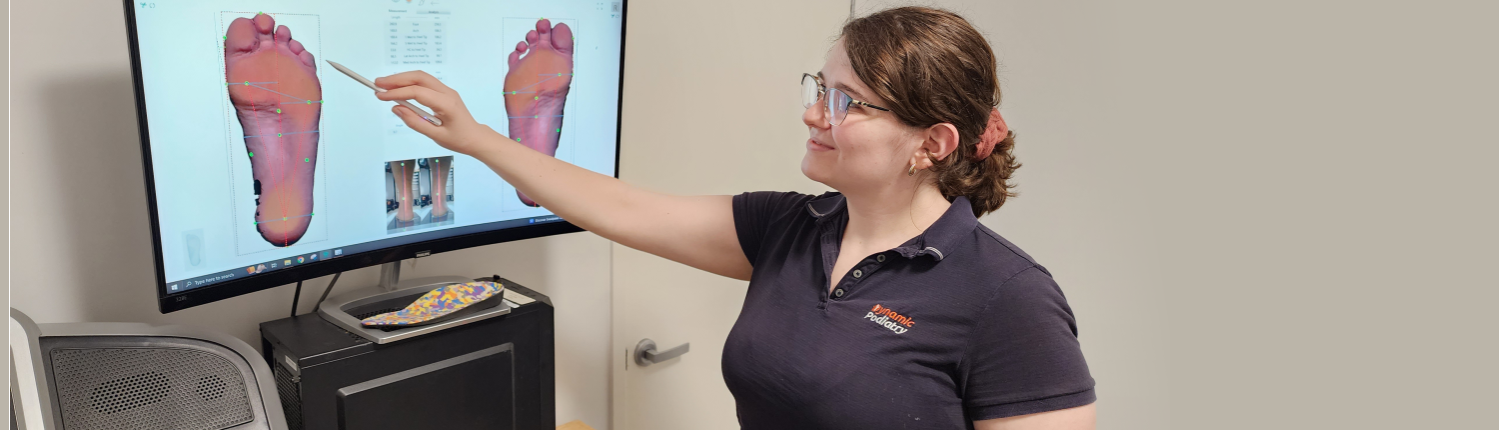
Including treadmill gait analysis with Sensor Medica pressure plate and video assessment for accurate diagnosis.

Check Check

Custom Solutions

We prescribe orthotics, rehabilitation plans, and practical advice tailored to each individual.

Clock Clock

On-Time & Professional

We value your time, and you’ll always receive a warm welcome and efficient care.

User-add User-add

Family-Friendly Clinic

We treat patients of all ages, from toddlers to older adults.

Clipboard Clipboard

We Treat a Range of Conditions

Whatever your foot or leg problem is, we take the time to get to the cause not just treat the symptoms and get you back on your feet again.

Podiatry Affiliations & Health Fund Partners